
The landscape of healthcare has been significantly transformed with the integration of Information and Communication Technology (ICT). This digital revolution is not just changing how medical professionals communicate with each other but also how they manage patient care and treatment outcomes. The continuous evolution in this field is paving the way for a more efficient, accurate, and accessible healthcare system.
The Impact of ICT on Medical Practice
Increased Efficiency and Accuracy
One of the primary benefits of ICT in healthcare is the enhanced efficiency it offers. Digital health records enable quick access to patient data, reducing the time spent on administrative tasks. Furthermore, with the advanced software now available, healthcare providers can more accurately diagnose and treat their patients, ultimately improving healthcare outcomes.
Enhanced Patient-Doctor Communication
Communication is key in healthcare, and ICT tools like patient portals and telemedicine platforms have opened new avenues for patient-doctor interactions. These technologies empower patients to take an active role in their own care, improving patient satisfaction and adherence to treatment plans.
Big Data and Personalized Medicine

The advent of big data analytics in healthcare promises a future of personalized medicine. With vast amounts of data at their disposal, medical professionals can tailor treatment plans to individual patients, considering their unique genetic makeup, lifestyle, and risk factors.
Challenges in the Integration of ICT in Healthcare
Training and Adaptation
Despite its benefits, the integration of ICT into medical practice comes with challenges. One of the significant hurdles is the need for adequate training for healthcare providers to adapt to new technologies effectively. Ensuring that medical staff are proficient in using these tools is crucial to their successful implementation.
Data Security and Privacy Concerns
As healthcare data becomes digitized, maintaining the privacy and security of patient information is a growing concern. Institutions must navigate complex regulations and invest in robust cybersecurity measures to protect sensitive health data against breaches.
The Future of ICT in Healthcare
Telemedicine and Beyond
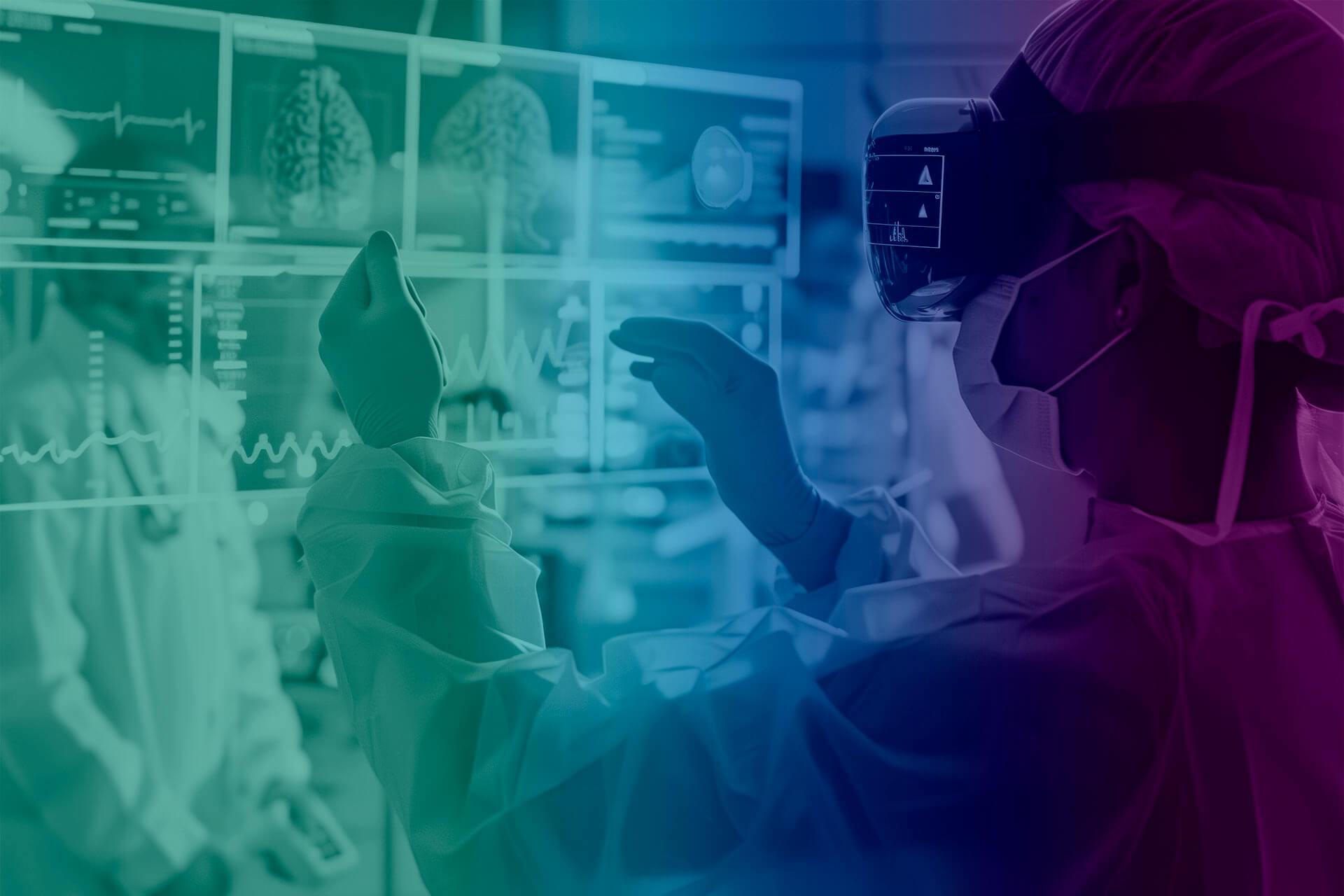
Telemedicine has already shown its potential during global health crises, such as the COVID-19 pandemic, by providing critical care remotely. As ICT continues to advance, we can expect to see even greater innovations, like AI diagnostics and remote monitoring devices that could redefine healthcare delivery.
Integrating Advanced Technologies
The future of ICT in medical practice also involves the integration of advanced technologies such as augmented reality (AR) for surgery, blockchain for secure medical transactions, and Internet of Medical Things (IoMT) devices to enhance patient care both in and out of hospital settings.
The Convergence of Healthcare and Travel
As ICT continues to revolutionize healthcare, the travel industry also stands to benefit. With the reliable and secure exchange of medical records, patients can now travel more freely, knowing they can receive consistent care anywhere in the world. This ease of access extends to the hospitality sector, where hotels can provide tailored services to meet the health and wellness needs of their guests, complementing the personalized care approach spurred by ICT in medicine.